
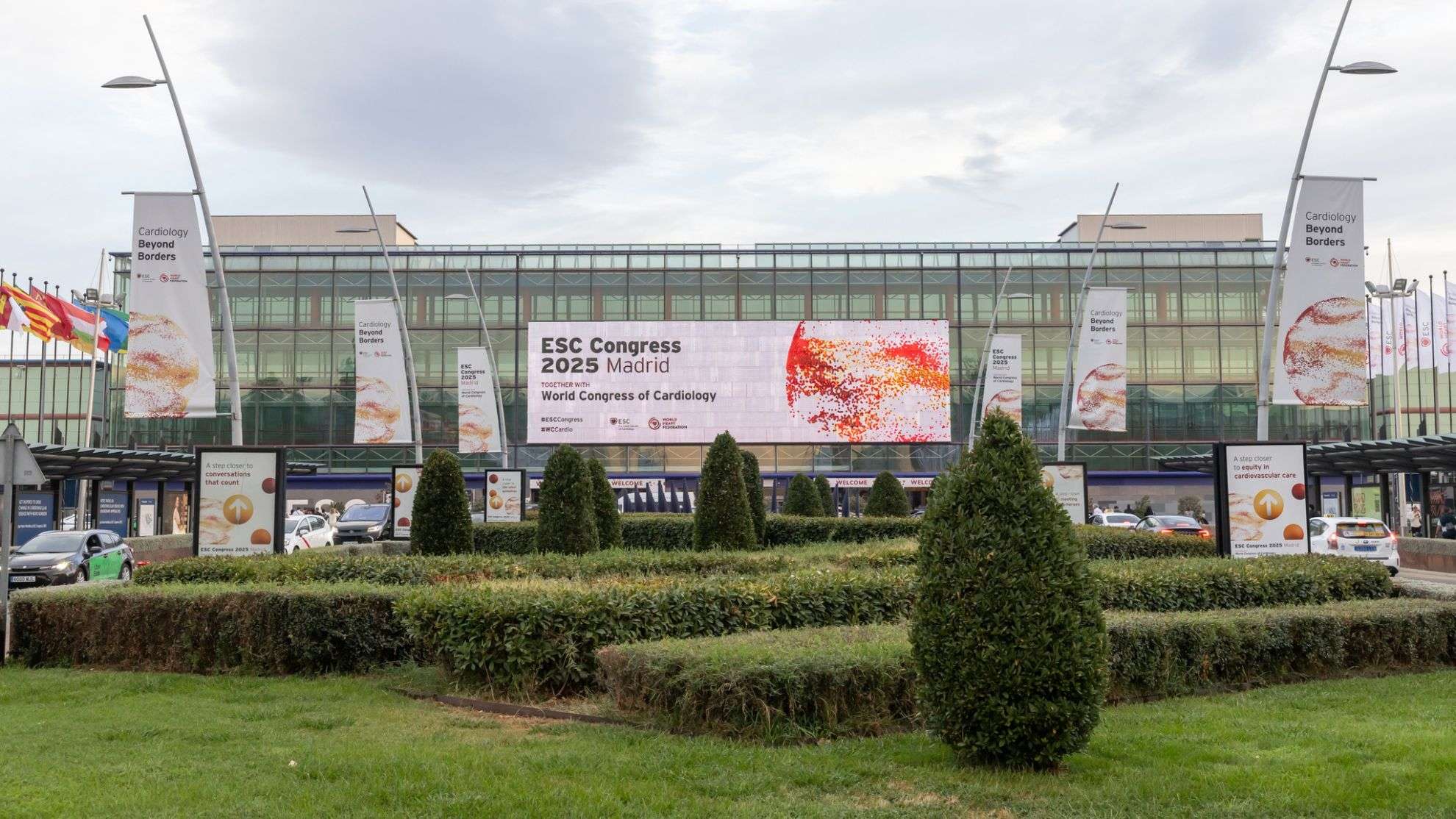
The GREG Consortium has taken part in the European Society of Cardiology (ESC) annual Congress, held in Madrid from August 29 to September 1, 2025. This event continues to be a cornerstone in the global cardiology calendar, bringing together thought leaders, clinicians, researchers, and regulators and policymakers from around the world to share knowledge, foster collaboration, and drive innovation in cardiovascular care.
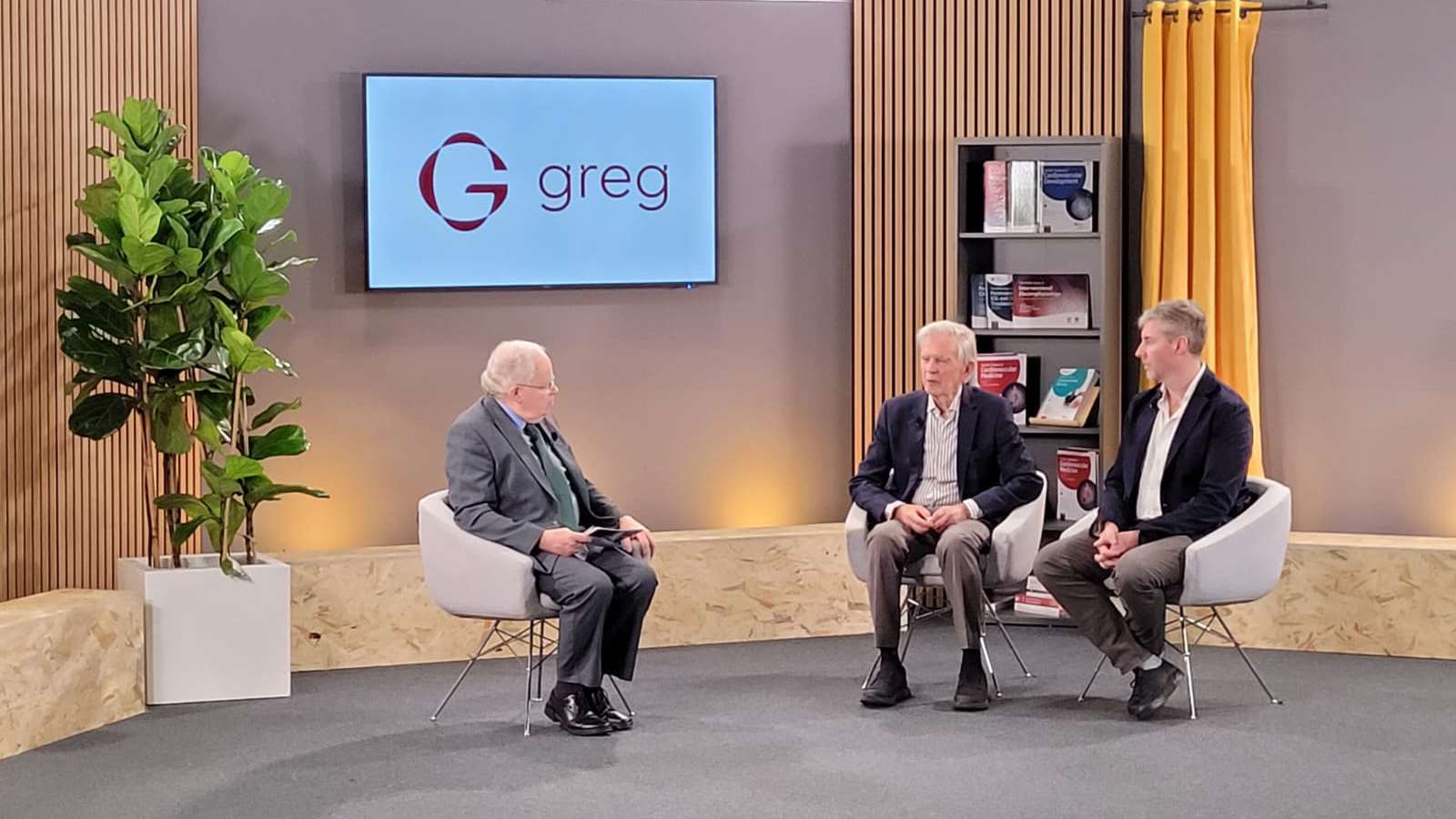
As part of ESC’s official TV Connect sessions, GREG hosted a dedicated session focused on one of the most pressing topics in contemporary healthcare: the regulatory role of real-world data (RWD) and registry-based evidence. The session, titled
“Real-world evidence and the GREG initiative: bridging regulation and data innovation in cardiology,” explored how real-world evidence (RWE) is increasingly influencing regulatory frameworks, particularly under the EU Medical Device Regulation (MDR).
The session featured contributions from GREG partners Dr. Lars Wallentin (Uppsala Clinical Research Center), and Prof. Tom Melvin (University of Galway), who brought together clinical, regulatory, and industry perspectives essential to the discussion.
The session addressed a wide range of critical topics, beginning with the evolving regulatory landscape and the growing need for greater harmonisation, standardisation, and accessibility of real-world and registry data across Europe. A key focus was the recognition that high-quality, standardised data – when analysed through secure, federated models – can generate robust insights that not only complement traditional clinical trials but also support more agile and informed regulatory decision-making.
The discussion underscored the value of federated data analysis, a central pillar of the GREG initiative, as a means of preserving data privacy while enabling real-time, large-scale insights drawn from diverse sources across countries and healthcare systems. Through compelling use cases and robust discussion, the panel illustrated how RWE, when properly harnessed, can deliver meaningful clinical impact and bolster regulatory confidence, particularly in the high-stakes field of cardiology.
Building on these insights, the session concluded that real-world data is no longer just complementary to clinical trials but essential for shaping smarter, faster, and more patient-centred decisions. Success in this space requires close collaboration between regulators, clinicians, and innovators to ensure that insights are translated into real-world impact. Initiatives like GREG are paving the way for a future where robust evidence and innovation move forward together, strengthening both regulatory frameworks and clinical practice.
This year ESC Congress offered a valuable platform for the GREG Consortium to engage with key stakeholders early in its journey and to spotlight the initiative’s vision for strengthening the role of real-world evidence in regulatory and clinical decision-making. The insights shared and connections made in Madrid mark just the beginning of a wider conversation – one that GREG is committed to advancing across Europe and beyond in the years ahead.
For more information about the project, follow the progress of the GREG project on our website and LinkedIn page.


